
5 Warning Signs Your Furnace Needs Immediate Repair
When temperatures drop in Northwest Indiana, your furnace becomes your home's most critical system. While some furnace issues can wait for a scheduled service appointment, others demand immediate attention to protect your family's safety and comfort. Understanding the difference between a minor hiccup and a serious problem can save you from a cold night or even prevent a dangerous situation.
As experienced HVAC professionals serving Porter County for years, we've responded to countless emergency calls. Many homeowners tell us they wish they'd recognized the warning signs earlier. This comprehensive guide will help you identify the red flags that mean your furnace needs immediate professional attention, so you'll know exactly when to pick up the phone.
Whether you're hearing strange sounds from your basement, noticing unusual smells, or dealing with inconsistent heating, we'll walk you through the warning signs that should never be ignored. Your furnace is trying to tell you something—let's make sure you understand what it's saying before a minor issue becomes a major emergency.
1. Strange or Unusual Odors Coming From Your Furnace
Your nose knows when something's wrong with your furnace. While a slight dusty smell when you first turn on your heating system for the season is normal, certain odors signal serious problems that require immediate attention. A strong burning smell that persists beyond the first few hours of operation could indicate overheating components, electrical issues, or even a cracked heat exchanger—one of the most dangerous furnace problems.
The smell of rotten eggs or sulfur is perhaps the most urgent warning sign, as it indicates a natural gas leak. Natural gas is odorless by nature, but utility companies add mercaptan to give it that distinctive rotten egg smell for safety purposes. If you detect this odor, immediately turn off your furnace, evacuate your home, and call your gas company and emergency services from a safe location outside. Never attempt to locate the leak yourself or turn lights on and off, as any spark could cause an explosion.
A metallic or burning plastic smell often points to overheating electrical components or melting insulation on wiring. This situation creates a serious fire hazard and should prompt an immediate shutdown of your system and a call to an HVAC professional. Similarly, a musty or moldy odor suggests moisture problems within your system or ductwork, which can lead to poor indoor air quality and potential health issues for your family.
Even seemingly minor odors shouldn't be dismissed. Your sense of smell is often your first line of defense in identifying furnace problems before they become visible or audible. When in doubt, err on the side of caution and have a professional inspect your system. The peace of mind is worth the service call, and early detection can prevent much more expensive repairs down the road.
2. Unusual Noises: Banging, Screeching, or Rattling
Your furnace should operate with a gentle hum and the occasional whoosh of air moving through your ducts. When you start hearing banging, screeching, grinding, or rattling sounds, your system is crying out for help. Each type of noise tells a different story about what's happening inside your heating system, and understanding these sounds can help you communicate effectively with your HVAC technician.
A loud banging or booming sound when your furnace starts up often indicates delayed ignition. This happens when gas builds up in the combustion chamber before igniting all at once, creating a small explosion. This isn't just annoying—it's dangerous and can crack your heat exchanger over time, leading to carbon monoxide leaks. If you're hearing these mini-explosions, shut down your system and call for immediate service.
High-pitched screeching or squealing typically points to belt or bearing problems in your blower motor. A worn blower belt creates a sound similar to a car's squealing fan belt, while failing bearings produce a grinding or squealing noise. While not immediately dangerous, these components can fail completely, leaving you without heat during the coldest nights. Addressing these issues promptly prevents a complete system shutdown and more expensive emergency repairs.
Rattling or vibrating sounds usually indicate loose components, ductwork issues, or problems with the blower assembly. Sometimes it's as simple as a loose access panel, but it could also signal that parts are coming loose inside your furnace. These vibrations can worsen over time, causing additional damage to surrounding components. What starts as a minor rattle can quickly escalate into a major mechanical failure if left unchecked.
Rumbling sounds that continue after your furnace shuts off might indicate a problem with your burner. This could mean dirty burners that need cleaning or adjustment, or it could signal a more serious issue with gas flow or combustion. Never ignore rumbling sounds, especially if they're accompanied by unusual odors or visible smoke. Have you noticed your furnace making sounds it never made before? Trust your instincts and schedule an inspection.
3. Yellow or Flickering Pilot Light (For Older Furnaces)
If you have an older furnace with a standing pilot light, the color and behavior of that small flame tells you a great deal about your system's health and safety. A properly functioning pilot light burns steady and blue, indicating complete and efficient combustion. When that flame changes color or starts behaving erratically, it's sending you critical warning signals that demand immediate attention from a qualified professional.
A yellow, orange, or red pilot light flame is one of the most serious warning signs your furnace can display. This color change indicates incomplete combustion, which means your furnace isn't burning gas efficiently and may be producing dangerous levels of carbon monoxide. Carbon monoxide is an invisible, odorless gas that can cause serious illness or death, making this a true emergency situation. If you notice a yellow flame, turn off your furnace immediately and contact an HVAC professional right away.
A flickering or wavering pilot light, even if it's blue, suggests problems with gas pressure, drafts affecting the burner area, or issues with the thermocouple. The thermocouple is a safety device that shuts off gas flow if the pilot light goes out, preventing dangerous gas leaks. When your pilot light frequently goes out or struggles to stay lit, your system's safety mechanisms may not be functioning properly, putting your home at risk.
Additionally, if your pilot light produces more soot than usual, appearing dirty or creating black residue around the burner area, this indicates incomplete combustion and poor air quality in your combustion chamber. This situation not only reduces your furnace's efficiency but can also lead to the buildup of dangerous carbon monoxide. Regular professional maintenance includes checking and adjusting your pilot light, but between service visits, keep an eye on this important indicator of your furnace's health.
4. Sudden Spike in Energy Bills Without Explanation
Your monthly heating bill provides valuable clues about your furnace's performance and efficiency. When you notice a significant increase in your energy costs without a corresponding change in your usage patterns or the weather, your furnace is working harder than it should to keep your home comfortable. This inefficiency doesn't just cost you money—it often signals underlying problems that will worsen if not addressed promptly.
A struggling furnace consumes more energy because worn or dirty components force the system to run longer cycles to achieve the desired temperature. Dirty filters restrict airflow, making your blower motor work overtime. Failing ignition systems cause your furnace to cycle on and off more frequently. Leaking ductwork means heated air never reaches your living spaces, forcing your furnace to run continuously. Each of these issues not only drives up your utility bills but also accelerates wear on your entire heating system.
Compare your current bills to the same months in previous years, accounting for rate changes from your utility company. A 15-20% increase without explanation warrants immediate investigation. Many homeowners dismiss rising energy costs as normal aging or chalk it up to colder weather, but your furnace's efficiency shouldn't decline dramatically from one year to the next without a specific problem causing the change.
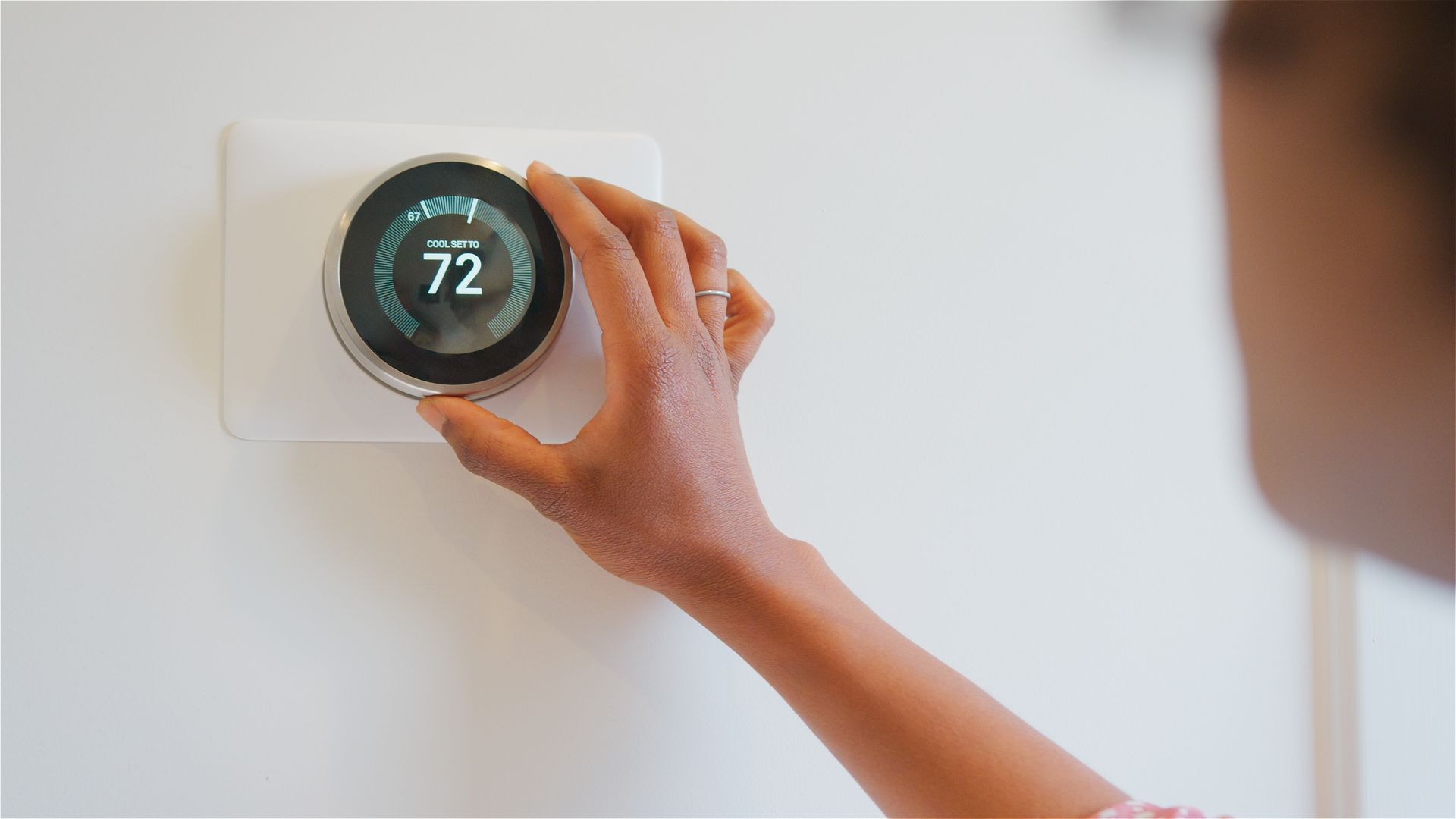
Beyond the financial impact, excessive energy consumption often indicates your furnace is on the verge of a major failure. Components that are working too hard will fail sooner, potentially leaving you without heat during the coldest part of winter when HVAC companies are overwhelmed with emergency calls. Catching these efficiency problems early through attentive bill monitoring can prevent inconvenient and expensive breakdowns. Have you noticed your thermostat running more cycles than usual to maintain temperature? This is another red flag that accompanies rising energy costs.
5. Carbon Monoxide Detector Alerts or Physical Symptoms
This is the most critical warning sign on our list because carbon monoxide poses an immediate, life-threatening danger to everyone in your home. Carbon monoxide (CO) is produced when fuel doesn't burn completely, and a malfunctioning furnace is one of the most common sources of CO in residential settings. Because this gas is completely invisible and odorless, you cannot detect it without proper equipment, making working carbon monoxide detectors absolutely essential in any home with a gas furnace.
If your carbon monoxide detector sounds its alarm, treat it as a genuine emergency every single time. Immediately move everyone outside to fresh air, including pets. Call 911 from a safe location and do not re-enter your home until emergency responders have tested the air and given you the all-clear. Never assume it's a false alarm or that you can simply ventilate your home and continue as normal. Carbon monoxide poisoning can cause permanent damage or death, and even low levels of exposure over time can lead to serious health problems.
Beyond detector alerts, recognize the physical symptoms of carbon monoxide exposure in yourself and your family members. These symptoms often mimic the flu but without fever: persistent headaches, dizziness, nausea, confusion, fatigue, and weakness. If multiple family members develop these symptoms simultaneously, especially if they improve when you leave the house and return when you come back, carbon monoxide poisoning should be suspected. Severe exposure can cause loss of consciousness, convulsions, and death.
Regular furnace maintenance significantly reduces your risk of carbon monoxide leaks. A cracked heat exchanger—one of the most common sources of CO from furnaces—can be detected during routine inspections before it becomes dangerous. Annual professional maintenance, combined with working CO detectors on every level of your home and near sleeping areas, creates multiple layers of protection for your family. Don't rely solely on detectors; stay alert for the warning signs your furnace displays and the symptoms CO exposure causes. When it comes to carbon monoxide, it's always better to be overcautious.
Your furnace communicates its condition through these warning signs, and recognizing them early can mean the difference between a simple repair and a complete system failure—or worse, a dangerous situation for your family. Strange odors, unusual noises, pilot light problems, unexplained energy bill increases, and carbon monoxide concerns all demand immediate professional attention. Don't wait for a small problem to become a major emergency, especially during the heart of winter when you need your heating system most.
At Apex Heating & Cooling, we understand that furnace emergencies don't follow a 9-to-5 schedule. That's why we're here to serve Porter County homeowners with prompt, professional furnace repair when you need it most. If you've noticed any of these warning signs, don't hesitate to reach out. Early intervention not only protects your family's safety and comfort but also saves you money by preventing more extensive damage. Schedule your furnace inspection today and enjoy the peace of mind that comes with a properly functioning heating system throughout the winter months.