
Is Your Furnace Ready for a Northwest Indiana Winter?
Winter in Northwest Indiana doesn't ease in gradually. One day you're enjoying mild fall weather, and the next, lake effect snow from Lake Michigan blankets Porter County with the season's first real cold snap. When that happens, the last thing you want to discover is that your furnace isn't ready for the challenge. Your heating system has been sitting idle for months, and without proper preparation, you could be facing a breakdown when you need heat the most.
After over a decade of serving homeowners throughout Chesterton , Hobart , Portage , and surrounding communities, we've seen countless emergency calls that could have been prevented with simple fall preparation. The good news? Getting your furnace ready for winter doesn't require advanced technical knowledge. This comprehensive guide walks you through everything you need to know to ensure your heating system is ready when temperatures drop.
1. Start with Your Thermostat
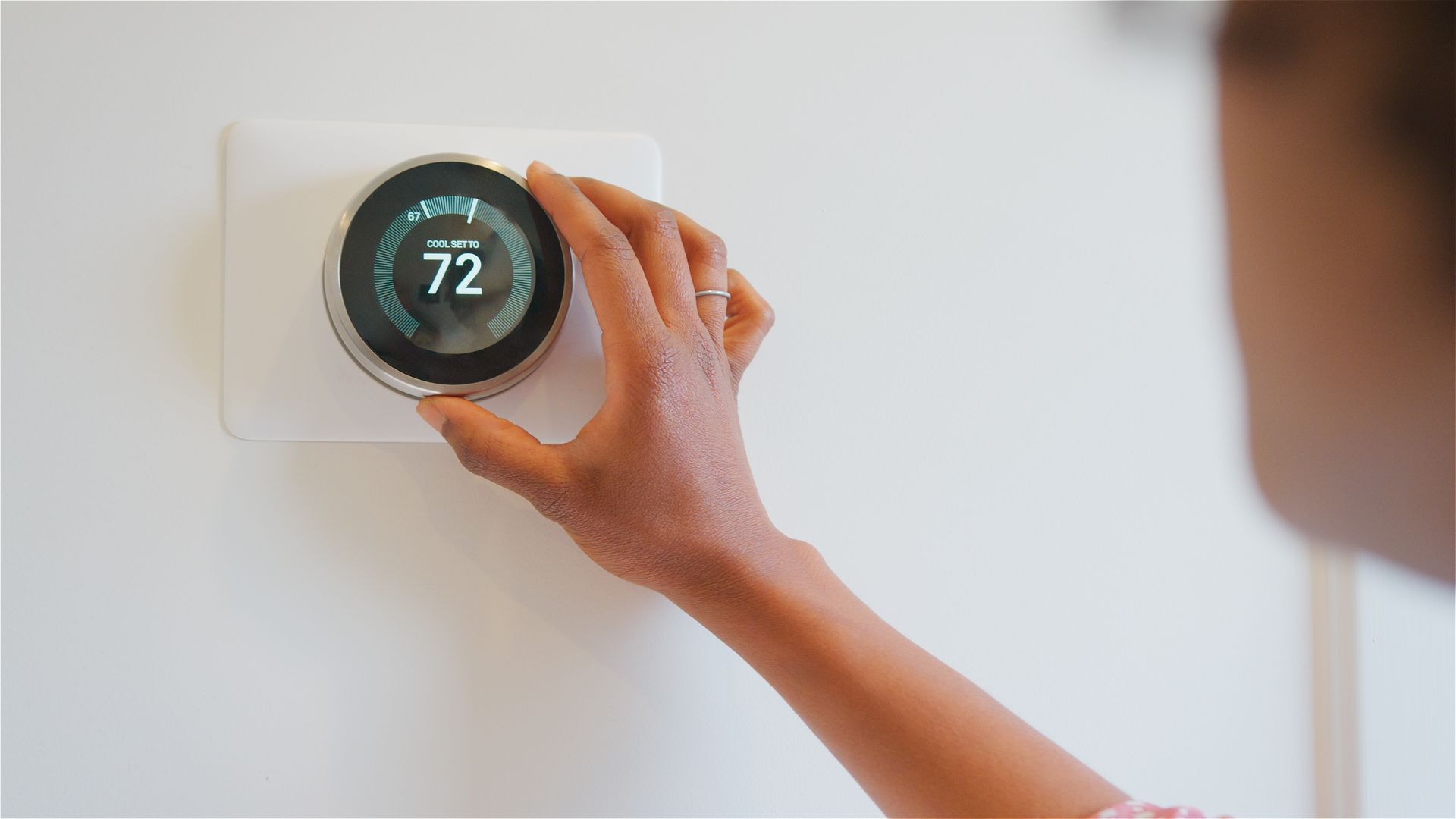
Your thermostat is the command center for your entire heating system, yet it's often the most overlooked component during fall preparation. Before you even think about firing up your furnace, take a few minutes to ensure your thermostat is functioning properly. If you have an older dial or mechanical thermostat, this is an excellent time to consider upgrading to a programmable or smart model that can significantly reduce your heating costs throughout the winter.
Test your thermostat by switching it from cooling mode to heating mode and setting the temperature a few degrees above your current room temperature. You should hear your furnace kick on within a few minutes. If nothing happens, check your thermostat batteries first as dead batteries are one of the most common culprits behind heating system failures. For homes with newer digital thermostats, verify that the display is clear and responsive, and that all your programmed settings are still accurate after months of running your air conditioning.
Pay attention to how your thermostat responds to temperature changes. If you notice significant delays between when you adjust the temperature and when your furnace responds, or if your home temperature fluctuates more than a couple degrees from your set point, these could be signs that your thermostat needs calibration or replacement. Modern programmable thermostats can reduce heating costs by 10-15% simply by automatically adjusting temperatures when you're asleep or away from home, making them a smart investment for any Porter County homeowner.
2. Replace or Clean Your Air Filter
Your furnace filter is working hard to keep your indoor air clean and your heating system running efficiently, but it can't do its job if it's clogged with months of accumulated dust and debris. A dirty filter is one of the leading causes of furnace breakdowns during winter, yet it's also one of the easiest problems to prevent. Think of your furnace filter as the lungs of your heating system. When it can't breathe properly due to blockage, your entire system suffers from reduced efficiency, increased wear and tear, and potential overheating issues that can lead to expensive repairs.
Before winter arrives, locate your furnace filter and inspect it carefully. Hold it up to a light source. If you can't see light passing through easily, it's time for a replacement. Most standard filters should be replaced every 1-3 months during heating season, but homes with pets, allergies, or higher dust levels may need more frequent changes. The small investment in regular filter replacements pays huge dividends in system longevity, energy efficiency, and indoor air quality throughout the winter months.
When selecting a new filter, pay attention to the MERV rating, which indicates how effectively the filter captures particles. For most residential furnaces in Northwest Indiana, a MERV rating between 8 and 11 provides excellent filtration without restricting airflow. Higher-rated filters can capture smaller particles but may reduce airflow too much for some systems, potentially causing strain on your furnace blower motor. If you're unsure which filter is right for your system, our team at Apex Heating & Cooling can recommend the optimal filter type during a pre-season inspection.
3. Inspect Your Vents and Registers
Your furnace can be in perfect working order, but if warm air can't circulate properly throughout your home, you'll never achieve the comfort you're paying for. Throughout the summer and fall, supply vents and return registers often get blocked by furniture, rugs, curtains, or simply accumulate dust and debris. Take a complete tour of your home and check every single vent and register. You might be surprised how many have been partially or completely blocked without you realizing it.
Remove all vent covers and give them a thorough cleaning with soap and water or run them through the dishwasher if they're dishwasher-safe. Use a vacuum with a hose attachment to clean inside the ductwork as far as you can reach, removing any dust bunnies, pet hair, or debris that's accumulated. This simple maintenance step improves airflow, reduces dust circulation throughout your home, and can even help reduce allergens that tend to flare up when heating systems first activate after months of sitting idle.
Ensure that furniture placement isn't blocking any vents or registers. Even partial blockage forces your furnace to work harder to maintain temperature, increasing energy costs and placing unnecessary strain on your system. In bedrooms, make sure curtains or bedding don't hang over floor registers. In living areas, check that sofas, chairs, or entertainment centers aren't covering vents. Good airflow isn't just about comfort, it's essential for system efficiency and longevity. Proper air circulation also helps maintain consistent temperatures throughout your home, eliminating those frustrating hot and cold spots that make some rooms uncomfortable.
4. Clear the Area Around Your Furnace
Your furnace room or closet shouldn't double as storage space, yet this is exactly what happens in many homes throughout the year. Combustible materials stored too close to your furnace create serious fire hazards, while general clutter restricts airflow and makes it difficult to service your equipment when needed. National fire safety codes require at least 30 inches of clearance on all sides of your furnace, and for good reason. This clearance isn't just about fire prevention; it's also about ensuring your furnace has adequate ventilation to operate safely and efficiently.
Remove all boxes, cleaning supplies, paint cans, paper products, and other items from your furnace area. Pay special attention to anything flammable. Even items that don't seem obviously combustible can become fire hazards when exposed to the heat generated by your furnace. Create a dedicated clear zone around your heating equipment and commit to keeping it clear throughout the heating season. This simple habit protects your home, improves furnace efficiency, and makes it much easier for HVAC technicians to service your equipment if repairs become necessary.
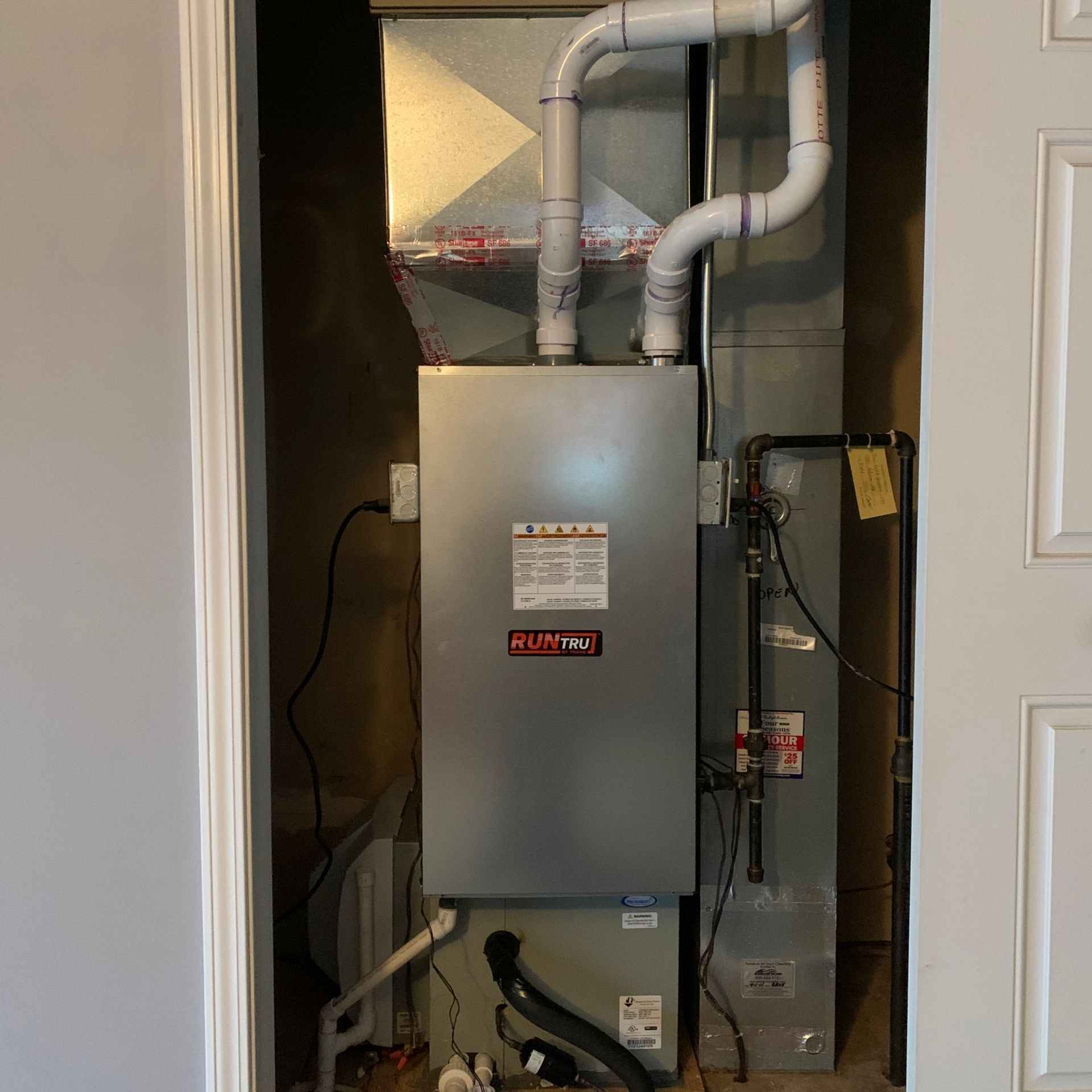
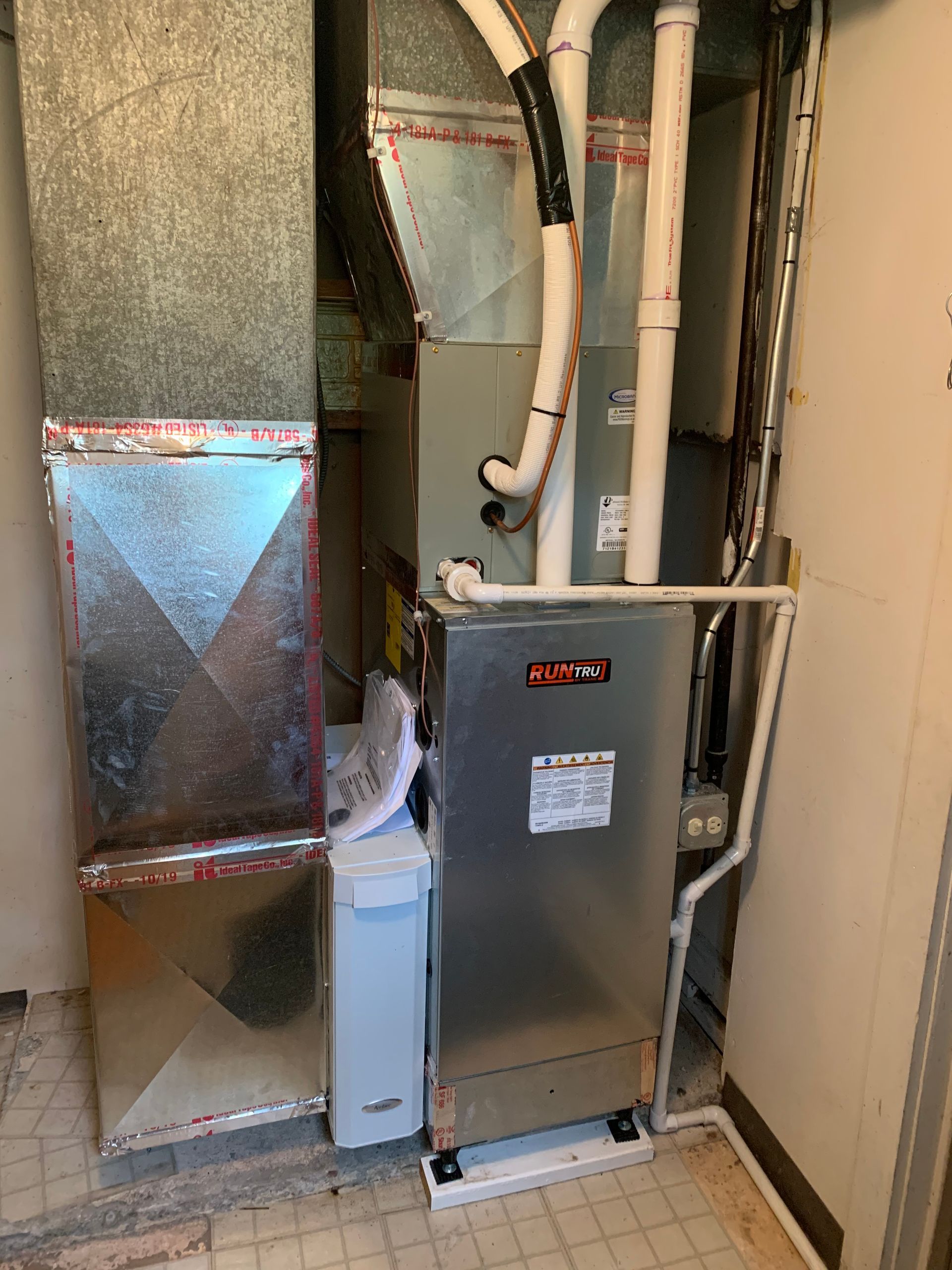
While you're clearing the area, take a moment to inspect your furnace visually. Look for any obvious signs of wear, rust, or damage. Check for water stains or pooling water that might indicate a condensate drain problem. Listen for any unusual sounds when the furnace runs. Strange noises like banging, squealing, or rattling often indicate mechanical issues that should be addressed before they lead to complete system failure in the middle of winter. If you notice anything concerning during your inspection, it's time to call in professionals for a thorough evaluation.
5. Test Your Carbon Monoxide Detectors
Carbon monoxide is an invisible, odorless gas that can be produced by malfunctioning furnaces, and it's deadly. Every home with a gas furnace should have working carbon monoxide detectors on every level, especially near sleeping areas. Before you fire up your furnace for the season, test every carbon monoxide detector in your home. Press the test button and verify that the alarm sounds clearly. If your detectors are battery-powered, replace the batteries even if they seem to be working fine.
Carbon monoxide detectors have a limited lifespan, typically 5-7 years, after which they should be replaced regardless of whether they still appear to function. Check the manufacturing date on each detector and replace any that are approaching or past their expiration date. This isn't an area where you want to take chances. Carbon monoxide poisoning symptoms often mimic flu symptoms, including headache, dizziness, nausea, and confusion, making it easy to miss the warning signs until it's too late.
Consider upgrading to combination smoke and carbon monoxide detectors with digital displays that show CO levels even when they're not at alarm thresholds. These units provide early warning of potential problems and give you peace of mind throughout the heating season. If your carbon monoxide detector ever sounds, take it seriously. Evacuate your home immediately, call 911 from a safe location outside, and don't re-enter until emergency responders have determined it's safe. Then contact Apex Heating & Cooling for emergency furnace repair to identify and fix the source of the carbon monoxide leak before using your heating system again.
6. Schedule Professional Furnace Maintenance
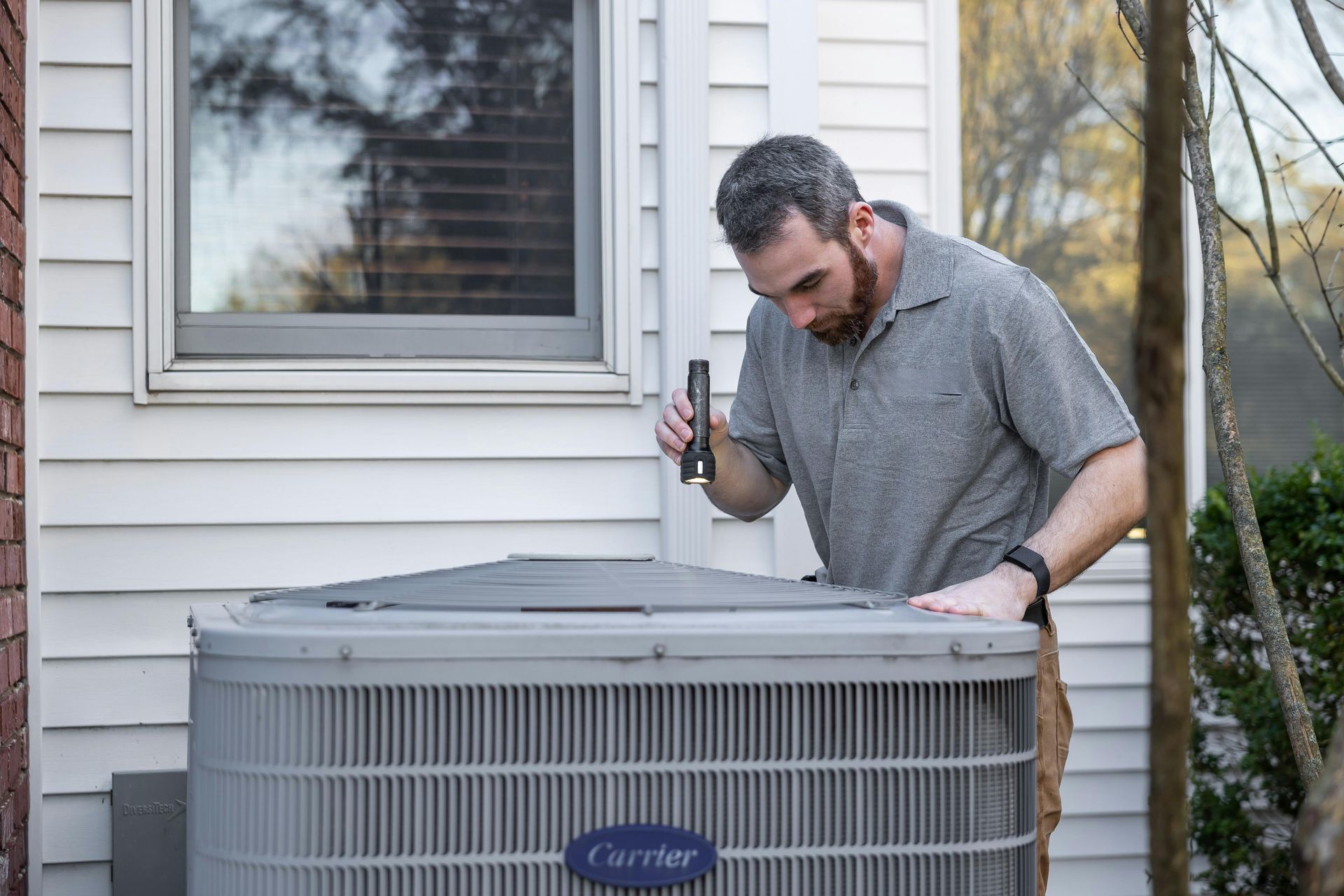
While the DIY checks we've covered are essential, they can't replace the thorough inspection and maintenance that trained HVAC professionals provide. Professional furnace maintenance involves detailed inspection of components that homeowners simply can't access or evaluate safely. Our technicians check dozens of critical points including heat exchanger integrity, burner flame patterns, electrical connections, gas pressure, blower motor performance, and safety controls that prevent dangerous malfunctions.
During a professional tune-up, we clean components that accumulate debris over time, lubricate moving parts to reduce friction and wear, tighten electrical connections that can loosen due to heating and cooling cycles, and calibrate controls to ensure optimal performance. We also measure your system's efficiency to verify it's operating as designed. Many furnace problems develop gradually over time, showing no obvious symptoms until they cause complete system failure. Professional maintenance catches these developing issues early when repairs are simple and affordable rather than waiting for an expensive emergency breakdown on the coldest night of the year.
The investment in annual professional maintenance typically pays for itself through improved energy efficiency, extended equipment life, and avoided emergency repairs. Most manufacturers require annual professional maintenance to keep warranties valid, meaning skipping this service could void your warranty coverage just when you need it most. Our comprehensive maintenance service for homeowners throughout Burns Harbor , Lakes of the Four Seasons , and all of Porter County ensures your heating system is ready to deliver reliable comfort all winter long.
7. Consider System Upgrades for Better Efficiency
If your furnace is more than 15 years old, or if you've noticed steadily increasing heating bills despite consistent usage patterns, it might be time to consider upgrading to a more efficient system. Modern high-efficiency furnaces can reduce heating costs by 30-40% compared to older models, and they provide more consistent comfort with better temperature control and quieter operation. The initial investment in a new furnace typically pays for itself within 5-8 years through energy savings, and newer systems come with warranties that provide peace of mind for years to come.
For homes with specific heating challenges like additions, bonus rooms, or areas that are consistently too hot or cold, a ductless mini-split system might be the perfect solution. These systems provide independent temperature control for specific areas without requiring expensive ductwork modifications. They're incredibly efficient, whisper-quiet, and can both heat and cool, making them versatile year-round comfort solutions for Northwest Indiana's variable climate.
Even if your furnace doesn't need replacement, upgrading to a smart thermostat, adding zone controls , or improving your home's insulation can all significantly enhance comfort and reduce heating costs this winter. Our team can evaluate your specific situation and recommend upgrades that make sense for your home, your comfort goals, and your budget. We never push unnecessary products or services, we simply help you understand your options so you can make informed decisions about your home comfort investment.
Don't Wait for the First Cold Snap
The absolute worst time to discover furnace problems is when temperatures plummet and your heating system refuses to start. By then, HVAC companies are flooded with emergency calls from homeowners in the same situation, meaning longer wait times and the potential for days without heat while you wait for service. Taking action now, before winter weather arrives, ensures your furnace is ready to perform reliably when you need it most.
Getting your furnace ready for winter doesn't have to be complicated or time-consuming. The basic checks we've outlined take less than an hour for most homeowners, and they can prevent the vast majority of common heating problems. Combined with professional maintenance from experienced technicians, these simple steps ensure reliable comfort throughout even the harshest Northwest Indiana winter.
At Apex Heating & Cooling, we've been helping homeowners throughout Porter County prepare for winter for over a decade. Our owner, Ed Miller, personally handles every service call, bringing veteran-level dedication and expertise to every job. We don't work on quotas or commission, so you'll never receive pressure to buy services or equipment you don't need. We're your neighbors, and we're invested in keeping our community comfortable.
Contact us today at (219) 299-7134 to schedule your pre-winter furnace inspection and maintenance. Let's make sure your heating system is ready before the first snowflakes fall and temperatures drop. Your comfort and safety are worth the investment.