
How to Lower Your Heating Bills This Winter in Northwest Indiana

December 8, 2025

As winter settles over Porter County and heating costs climb, many homeowners wonder why their monthly bills seem higher than necessary. The good news is that reducing your heating expenses doesn't require freezing in your own home or making expensive system replacements. With strategic adjustments, smart habits, and proper maintenance, you can significantly lower your winter energy costs while staying comfortably warm throughout even the coldest Indiana nights.

Understanding where your heating dollars actually go is the first step toward effective savings. Your furnace accounts for the largest portion of winter energy consumption, but heat loss through poor insulation, drafty windows, and inefficient habits can waste as much as 30-40% of the warmth you're paying to generate. This means you're literally watching your money escape through gaps, cracks, and inefficiencies in your home's thermal envelope.

In this comprehensive guide, we'll explore proven strategies that Northwest Indiana homeowners can implement immediately to reduce heating costs without sacrificing comfort. From simple no-cost adjustments you can make today to worthwhile investments that pay for themselves within a few seasons, you'll discover practical ways to keep more money in your pocket while maintaining a cozy home environment all winter long.

1. Optimize Your Thermostat Settings and Schedule

Your thermostat is the command center for your heating system, and how you use it dramatically impacts your energy bills. One of the most effective yet underutilized strategies is adjusting temperatures based on your actual needs rather than maintaining one constant temperature 24/7. According to the Department of Energy, you can save up to 10% annually on heating and cooling costs by lowering your thermostat 7-10 degrees for eight hours per day from its normal setting.

For most Northwest Indiana families, setting your thermostat to 68°F when you're home and awake provides comfortable warmth without excessive energy consumption. When you're sleeping, dropping the temperature to 60-65°F not only saves money but can actually improve sleep quality—research shows that cooler bedroom temperatures promote better rest. Layer on an extra blanket, and you'll stay cozy while your furnace takes a well-deserved break.

When everyone leaves for work or school, lowering the temperature to 60-62°F prevents unnecessary heating of an empty home. Many people worry that their furnace works harder to reheat the house, but this is a myth. Your system uses far less energy maintaining a lower temperature for hours than keeping the house at full comfort level when nobody's there. The brief period of reheating uses significantly less energy than maintaining high temperatures all day.

Investing in a programmable or smart thermostat takes the guesswork and discipline out of temperature management. These devices automatically adjust temperatures based on your schedule, ensuring you never waste energy heating an empty house or wake up to an ice-cold bedroom. Smart thermostats learn your habits and preferences over time, making automatic adjustments that optimize both comfort and efficiency. Many models also provide detailed energy usage reports, helping you understand exactly where your heating dollars go and identify opportunities for additional savings.

2. Seal Air Leaks and Improve Insulation

Even the most efficient furnace can't overcome the energy drain from air leaks and poor insulation. Heat naturally flows from warm areas to cold ones, which means your expensive heated air is constantly trying to escape through every crack, gap, and poorly insulated surface in your home. Identifying and sealing these thermal weak points provides some of the best returns on investment for reducing heating costs.

Start with the obvious culprits: windows and doors. Hold a lit candle or incense stick near the edges on a windy day—if the smoke wavers or the flame flickers, you've found an air leak. Weatherstripping around doors and caulking around window frames are inexpensive fixes that can save significant energy. For windows that are particularly drafty but not ready for replacement, applying plastic window insulation film creates an additional barrier against heat loss. While it may not win style points, this temporary solution can reduce window heat loss by up to 50%.

Your attic represents one of the largest opportunities for energy savings in most homes. Since hot air rises, inadequate attic insulation allows massive amounts of expensive warmth to escape right through your roof. The recommended insulation level for Northwest Indiana attics is R-49 to R-60, but many older homes have half that amount or less. Adding attic insulation provides returns for decades, paying for itself within just a few winters while also improving summer cooling efficiency.

Don't overlook less obvious air leak sources. Recessed lighting fixtures, electrical outlets on exterior walls, plumbing penetrations, and the areas where your foundation meets exterior walls can all allow significant air infiltration. Outlet gaskets are cheap and easy to install behind cover plates. Expanding foam or caulk can seal gaps around pipes, wires, and ducts that enter your home. Even your fireplace damper should close tightly when not in use—an open damper is like leaving a window open all winter long.

For homeowners serious about identifying all their home's air leaks, consider scheduling a professional energy audit with us. These assessments use specialized equipment like thermal imaging cameras and blower door tests to pinpoint exactly where your home is losing energy. The investment typically pays for itself through the energy savings you'll achieve by addressing the problems discovered during the audit.

3. Maintain Your Furnace for Peak Efficiency

A well-maintained furnace runs more efficiently, costs less to operate, and lasts significantly longer than a neglected system. Regular maintenance isn't just about preventing breakdowns—it's about ensuring your heating system operates at peak efficiency throughout the winter season. Even minor maintenance issues can increase your heating costs by 10-30%, making professional tune-ups one of the most cost-effective investments you can make.

The single most important DIY maintenance task is changing your furnace filter regularly. A dirty filter restricts airflow, forcing your blower motor to work harder and run longer to circulate heated air throughout your home. This not only wastes energy but also puts excessive wear on your system. During heavy heating months, check your filter monthly and replace it when it looks dirty—typically every 1-3 months depending on your home's conditions. Homes with pets, smokers, or high dust levels need more frequent changes.

Professional annual maintenance catches problems before they become expensive repairs or cause efficiency losses. During a tune-up, HVAC technicians clean burners and heat exchangers, test safety controls, check gas pressure and connections, measure airflow, inspect electrical components, lubricate moving parts, and verify that your system is burning fuel efficiently. These tasks aren't just about safety—they ensure every heating dollar delivers maximum warmth to your home.

Keep your furnace area clear and clean. Dust, debris, and stored items around your furnace can restrict airflow and pose fire hazards. Ensure your furnace has at least three feet of clearance on all sides, and regularly vacuum around the unit to prevent dust buildup. Clean vents and registers throughout your home also improve airflow—dusty or blocked vents make your system work harder to heat your space.

4. Use Ceiling Fans and Natural Heat Sources

Most people think of ceiling fans as cooling devices for summer use, but they're equally valuable for winter heating efficiency. The key is reversing the fan direction to clockwise rotation (when viewed from below) at a low speed. This creates an updraft that pushes warm air from the ceiling back down into your living space, redistributing heat that would otherwise remain trapped near the ceiling where it does you no good.

Since warm air naturally rises, rooms with high or vaulted ceilings can have temperature differences of 10-15 degrees between floor and ceiling. This stratification means your thermostat might read 68°F while you're feeling chilly near the floor. Running ceiling fans in reverse gently circulates that warm ceiling air back down without creating a cooling breeze, allowing you to feel comfortable at lower thermostat settings. This simple strategy can reduce your heating costs by up to 10% in rooms with ceiling fans.

Maximize natural heat sources to supplement your furnace. On sunny winter days, open curtains and blinds on south-facing windows to allow solar radiation to naturally warm your home. Even on cold days, sunlight streaming through windows can noticeably raise indoor temperatures. Close those same window coverings at night or on cloudy days to provide an extra insulation layer against heat loss through the glass.

Take advantage of heat generated by daily activities. When you finish cooking, leave the oven door open to allow that heat to warm your kitchen. The warmth from showers and baths naturally heats your bathroom and adjacent areas—just remember to use bathroom fans to control humidity. Family gatherings and activities naturally generate body heat; when you have company over, you can usually lower the thermostat a degree or two without anyone noticing.

5. Upgrade to Energy-Efficient Equipment

While newer, more efficient furnace requires upfront investment, the long-term savings can be substantial, especially if your current furnace is 15-20 years old. Modern high-efficiency furnaces can achieve AFUE (Annual Fuel Utilization Efficiency) ratings of 95-98%, meaning they convert nearly all their fuel into usable heat. Compare this to older furnaces that may operate at only 60-70% efficiency, and you can see why replacement often makes financial sense for aging systems.

When evaluating furnace replacement, calculate potential savings based on your current system's estimated efficiency and your annual heating costs. A family spending $1,500 annually on heating with a 70% efficient furnace could save $400-500 per year by upgrading to a 95% efficient model. At that rate, the new furnace pays for itself in 7-10 years, and it will likely last 15-20 years with proper maintenance. Add in utility rebates and tax credits often available for high-efficiency equipment, and the return on investment becomes even more attractive.

Consider upgrading other components even if your furnace itself is still serviceable. A new, energy-efficient blower motor can reduce electricity consumption. Variable-speed motors adjust airflow precisely to match your heating needs, running at lower speeds most of the time and using far less electricity than older single-speed motors that operate at full blast whenever the system runs.

Smart thermostats, mentioned earlier, typically cost $150-300 but can reduce heating and cooling costs by 10-15% through optimized scheduling and learning capabilities. Many utility companies offer rebates on smart thermostats, sometimes covering half the purchase price. These devices also allow remote control via smartphone, so you can adjust temperatures from anywhere—perfect for unexpected schedule changes or extended trips away from home.

Lowering your heating bills this winter doesn't require shivering in the cold or breaking the bank on expensive upgrades. By implementing even a few of these strategies, Northwest Indiana homeowners can achieve meaningful savings while maintaining comfortable indoor temperatures throughout the heating season. Start with the no-cost and low-cost solutions: adjust your thermostat settings, change your filter regularly, seal obvious air leaks, and use ceiling fans in reverse. These simple steps alone can reduce your heating costs by 15-25%.

For larger savings, consider the more substantial investments like adding insulation, scheduling professional maintenance, or upgrading to high-efficiency equipment if your current system is aging. At Apex Heating & Cooling, we help Northwest Indiana homeowners maximize their heating efficiency through expert maintenance, honest assessments, and quality installations. Our team can evaluate your current system, identify opportunities for improvement, and recommend solutions that make sense for your home and budget. Contact us today to schedule a furnace tune-up or efficiency consultation—the money you save this winter will thank you for taking action now.

December 9, 2025
Prepare your furnace for brutal Northwest Indiana winters with this essential checklist. Expert guidance from Apex Heating & Cooling to keep your Porter County home warm and safe all season.
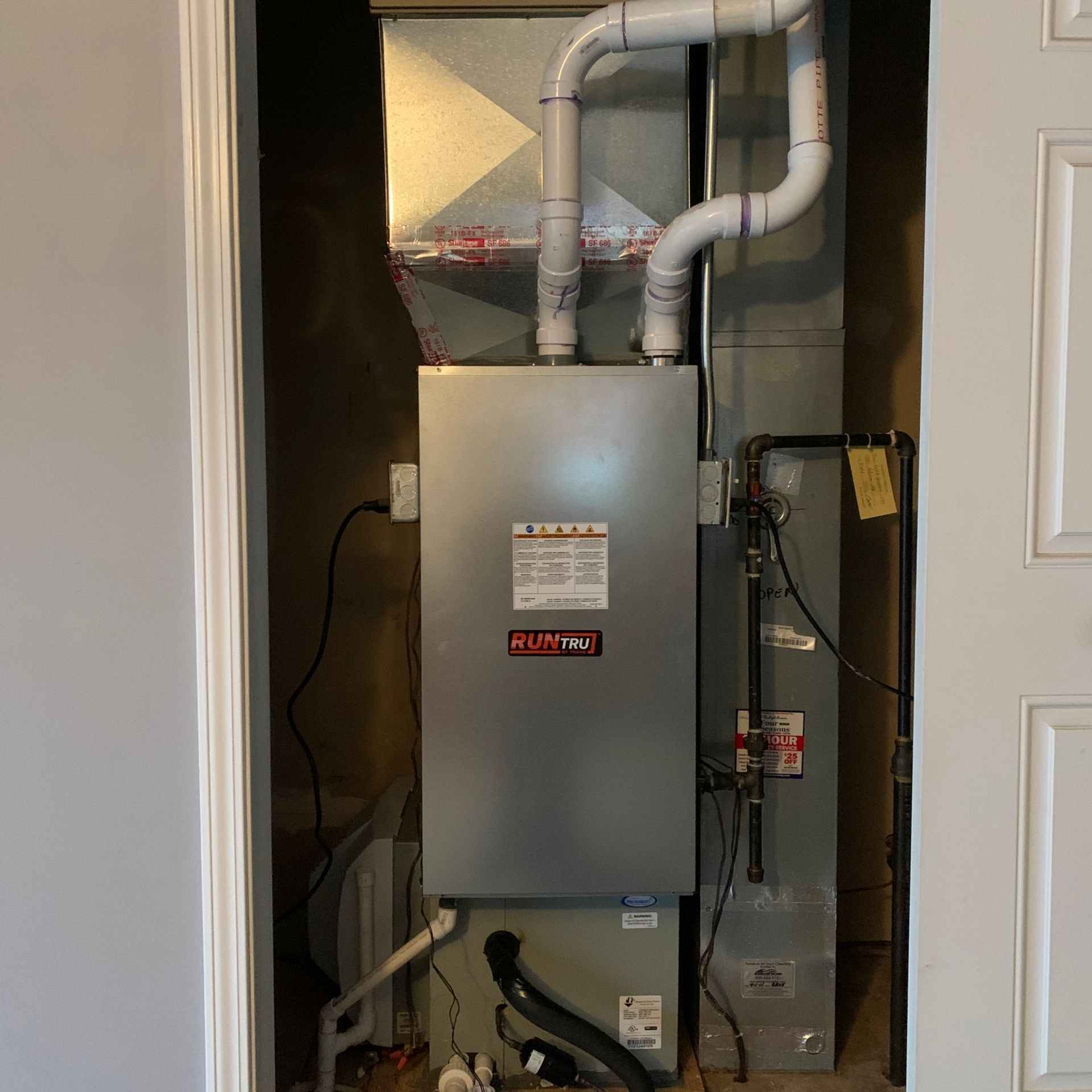
HVAC unit in Northwest Imdoama
December 1, 2025
Don't ignore these critical furnace warning signs. Learn when to call for emergency heating repair in Porter County to keep your family safe and warm this winter.

Fall furnace maintenance
October 17, 2025
Prepare your furnace for Indiana winter with our expert fall maintenance checklist. Apex Heating & Cooling shares essential tips to keep your Porter County home warm and safe all season.
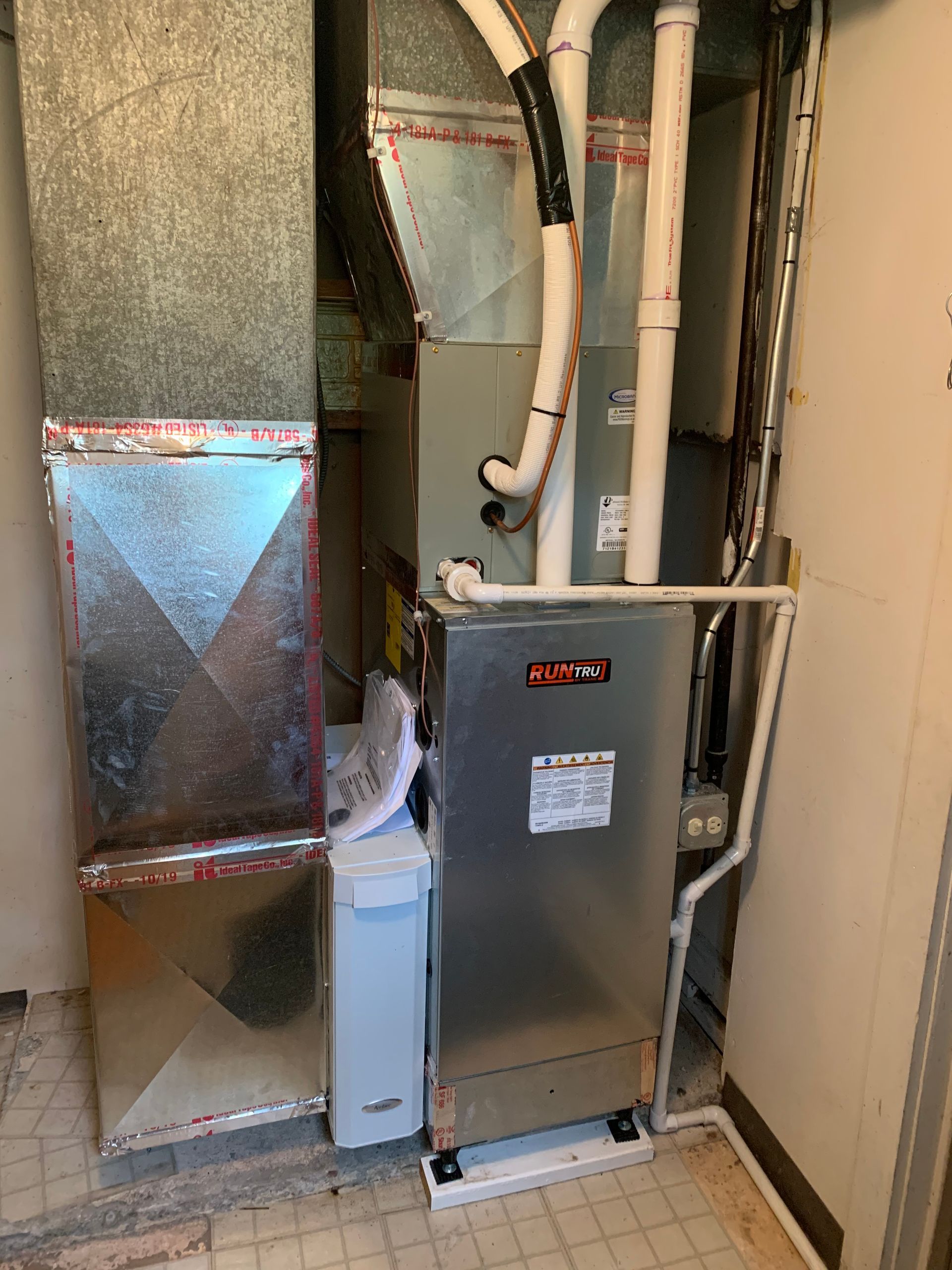
Furnace Replacement job in Valparaiso, Indiana
November 12, 2024
Is it better to repair an older furnace or invest in a new furnace? Your furnace is a crucial part of your home. It keeps you warm during the cold months and ensures your comfort and safety. But what happens when it starts acting up? Is it better to repair your furnace or invest in a new furnace?