How to Lower Your Cooling Bills This Summer in Northwest Indiana
Summer electric bills in Northwest Indiana climb fast. When temperatures stay in the upper 80s and 90s for weeks at a time, your air conditioning system runs hard and your utility costs follow. The good news is that most homeowners have real room to reduce what they spend on cooling without sacrificing comfort. Most of it comes down to simple maintenance, smarter thermostat habits, and knowing when the system itself is costing you more than it should.
Start With the Air Filter
A clogged air filter is one of the most common and overlooked reasons cooling bills run high. When airflow through the system is restricted, the blower motor works harder, the evaporator coil runs less efficiently, and the system takes longer to cool your home. The result is longer run cycles and higher electricity consumption for the same amount of cooling.
Replacing the filter is a five-minute job that costs a few dollars. For most homes in the area, replacing it every 60 days during the cooling season is the right interval. If you have pets or anyone with allergies in the household, go to 30 days. Write the filter size on a piece of tape on the furnace cabinet so you always buy the right one.
Set Your Thermostat Strategically
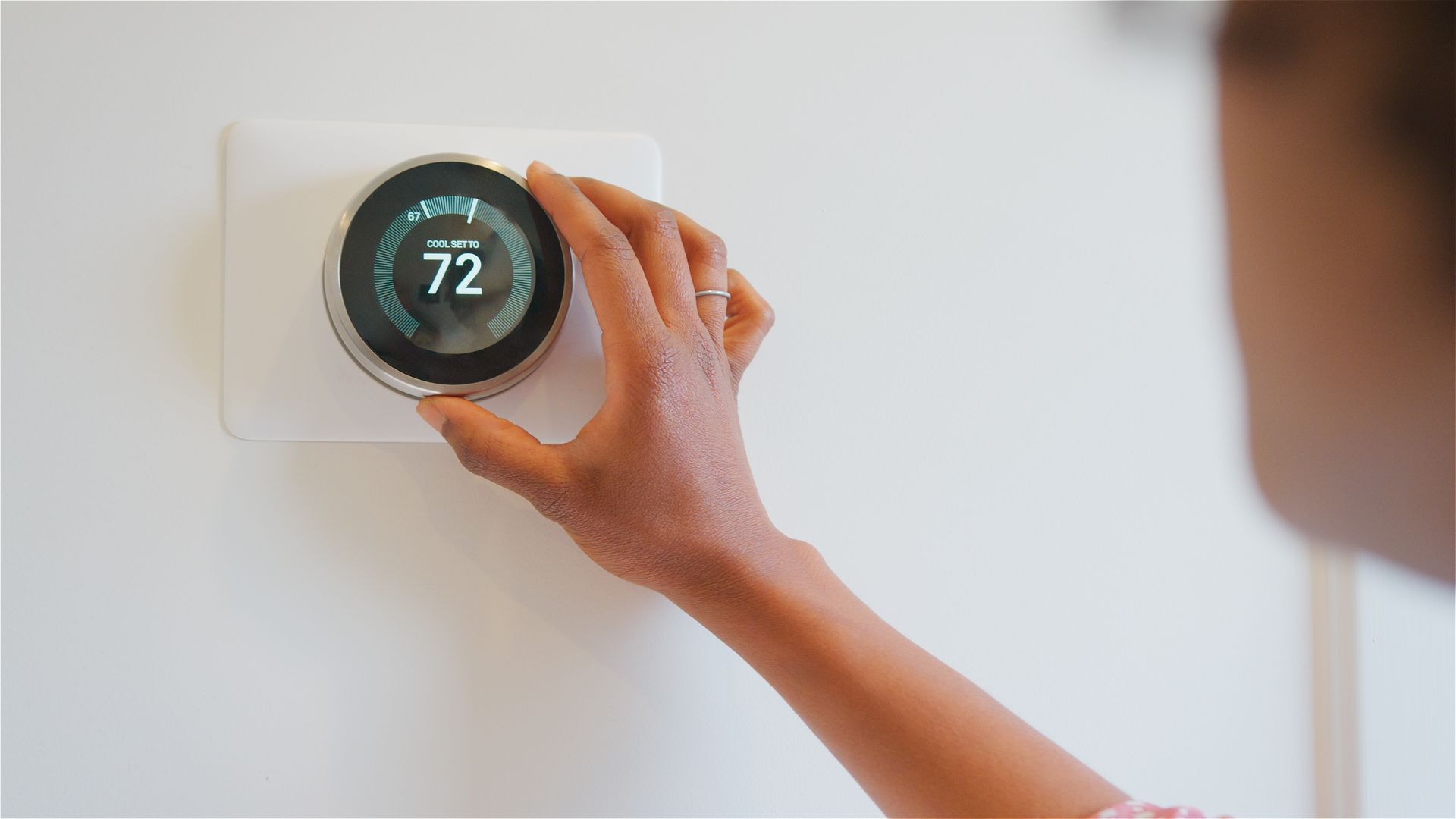
Every degree you raise the thermostat while you are away or sleeping reduces cooling costs meaningfully. Setting the thermostat up by 7 to 10 degrees for eight hours a day can cut cooling costs by around 10 percent. A programmable or smart thermostat handles this automatically so you are not walking into a hot house.
The most effective schedule for summer in Northwest Indiana is to let the temperature rise while the house is empty during the day, start pre-cooling about 30 minutes before people return, and set a slightly warmer sleeping temperature at night when humidity drops and ceiling fans can compensate.
Avoid the habit of dropping the thermostat well below your comfort target when you get home. The system does not cool faster at a lower setting. It just runs longer and overshoots, leaving the house colder than you wanted and costing more in the process.
Use Ceiling Fans to Extend Your Comfort Range
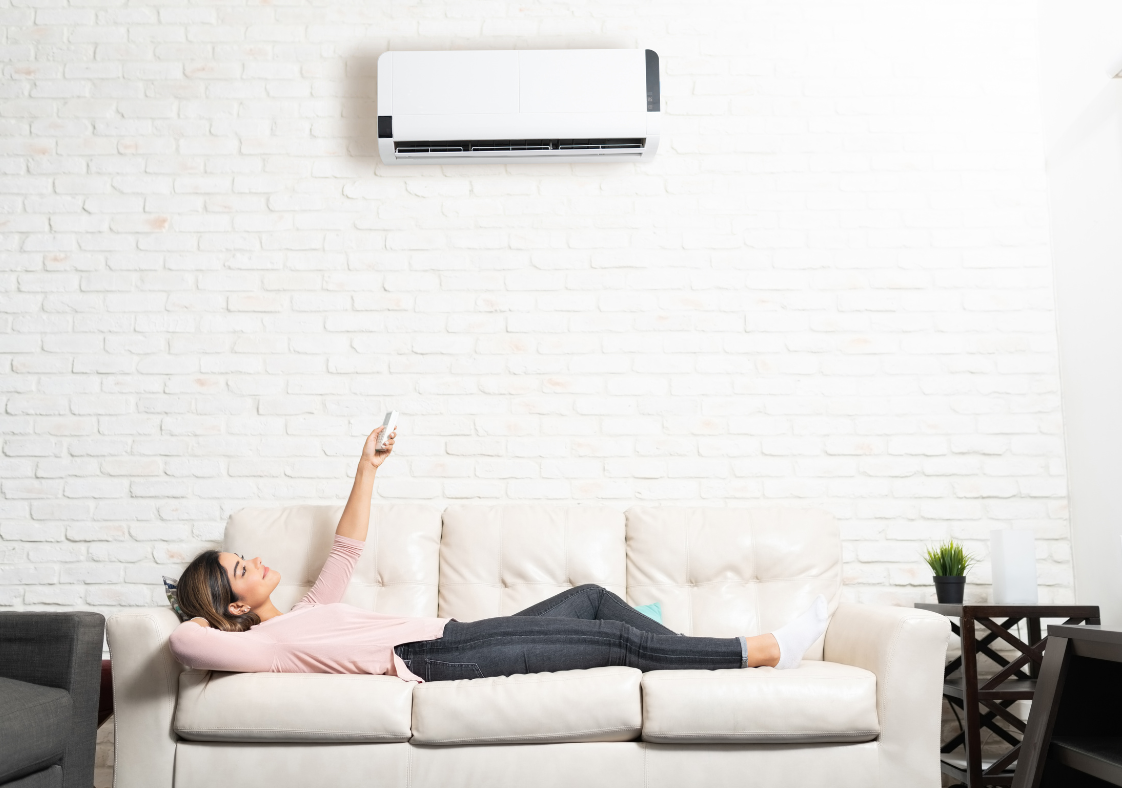
Ceiling fans do not cool the air. They create a wind chill effect that makes the air feel several degrees cooler than it actually is. That means you can set the thermostat a few degrees warmer and still feel comfortable, which reduces how often and how long the AC runs.
Make sure ceiling fans run counterclockwise in the summer, which pushes air straight down and creates the cooling effect. Turn them off when you leave the room since the benefit only applies to people in the space, not the air temperature itself.
Reduce Heat Gain During Peak Hours
Your AC works against solar heat gain coming through windows all day. Closing blinds or curtains on south and west-facing windows during the afternoon can noticeably reduce the load on your system. Blackout curtains or cellular shades make a bigger difference than standard blinds if heat gain is a significant issue in your home.
Avoid running heat-producing appliances during the hottest part of the day. Running the oven, dishwasher, or clothes dryer in the evening instead of the afternoon reduces the thermal load your AC has to overcome during peak cooling hours.
Keep the Outdoor Unit Clear
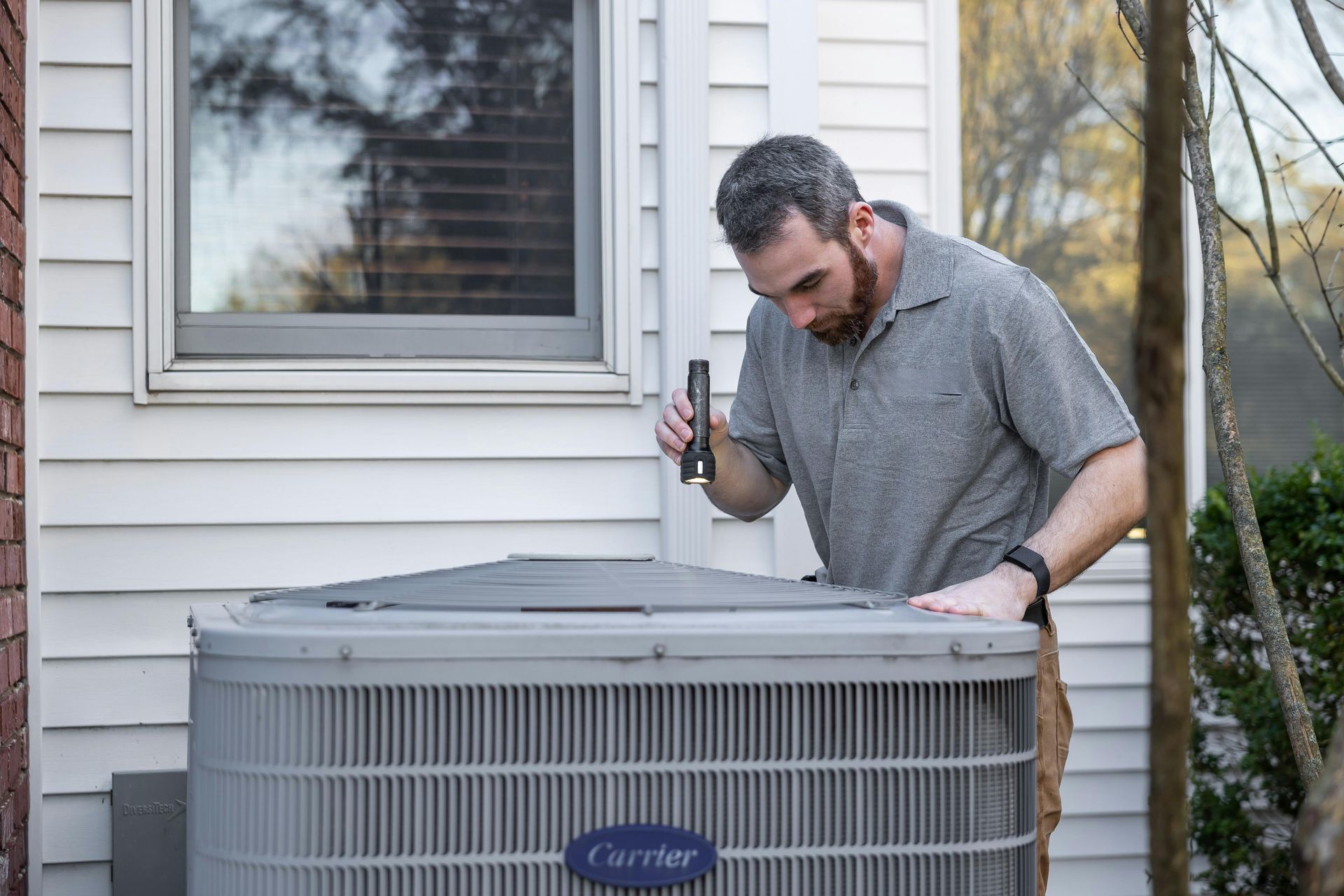
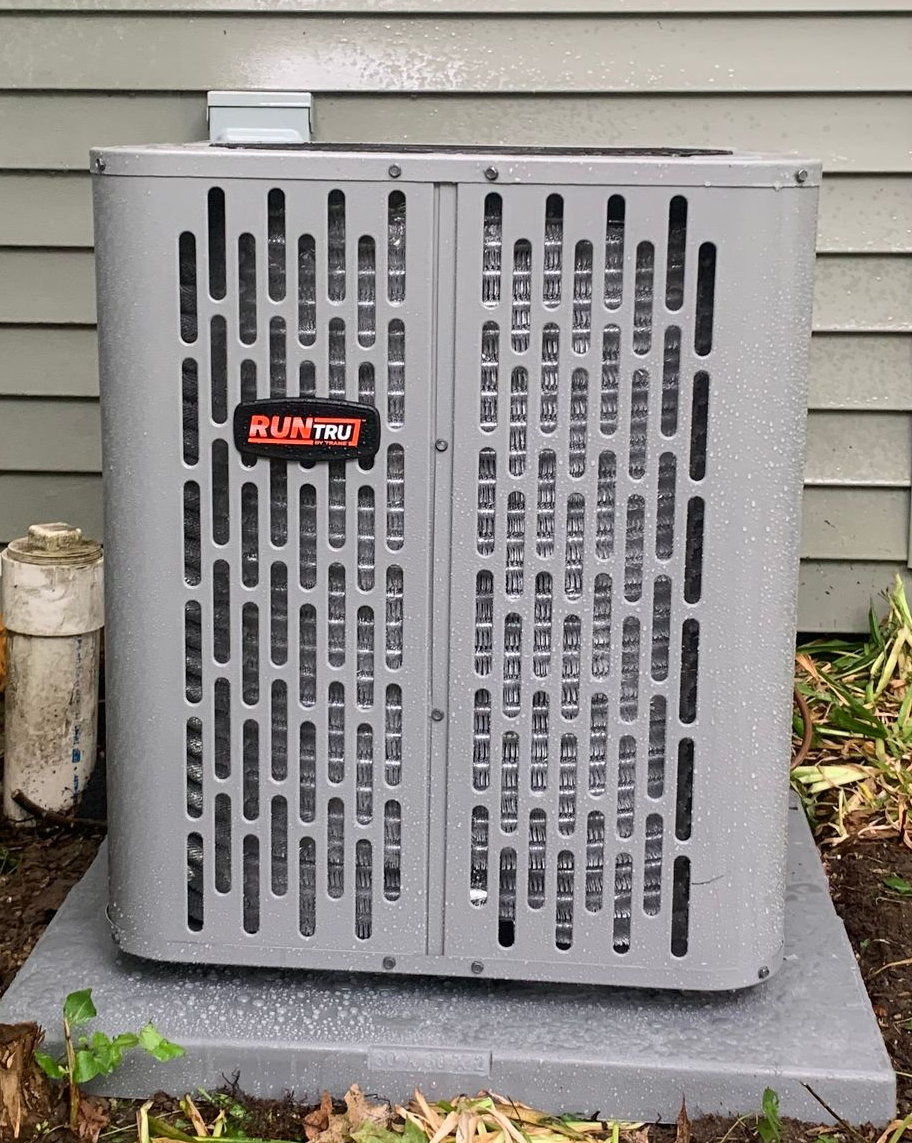
The condenser unit outside your home needs adequate airflow to release heat efficiently. If vegetation has grown into the clearance zone around the unit, or if the fins are coated in dirt, the system has to work harder to do its job. Keep at least two feet of clearance around all sides of the unit and gently rinse the exterior fins with a garden hose if they are visibly dirty.
Avoid placing anything directly against the unit and make sure the area around it drains well. Standing water or consistently wet ground around the condenser can accelerate corrosion on the base and components.
Have the System Checked If Efficiency Has Dropped
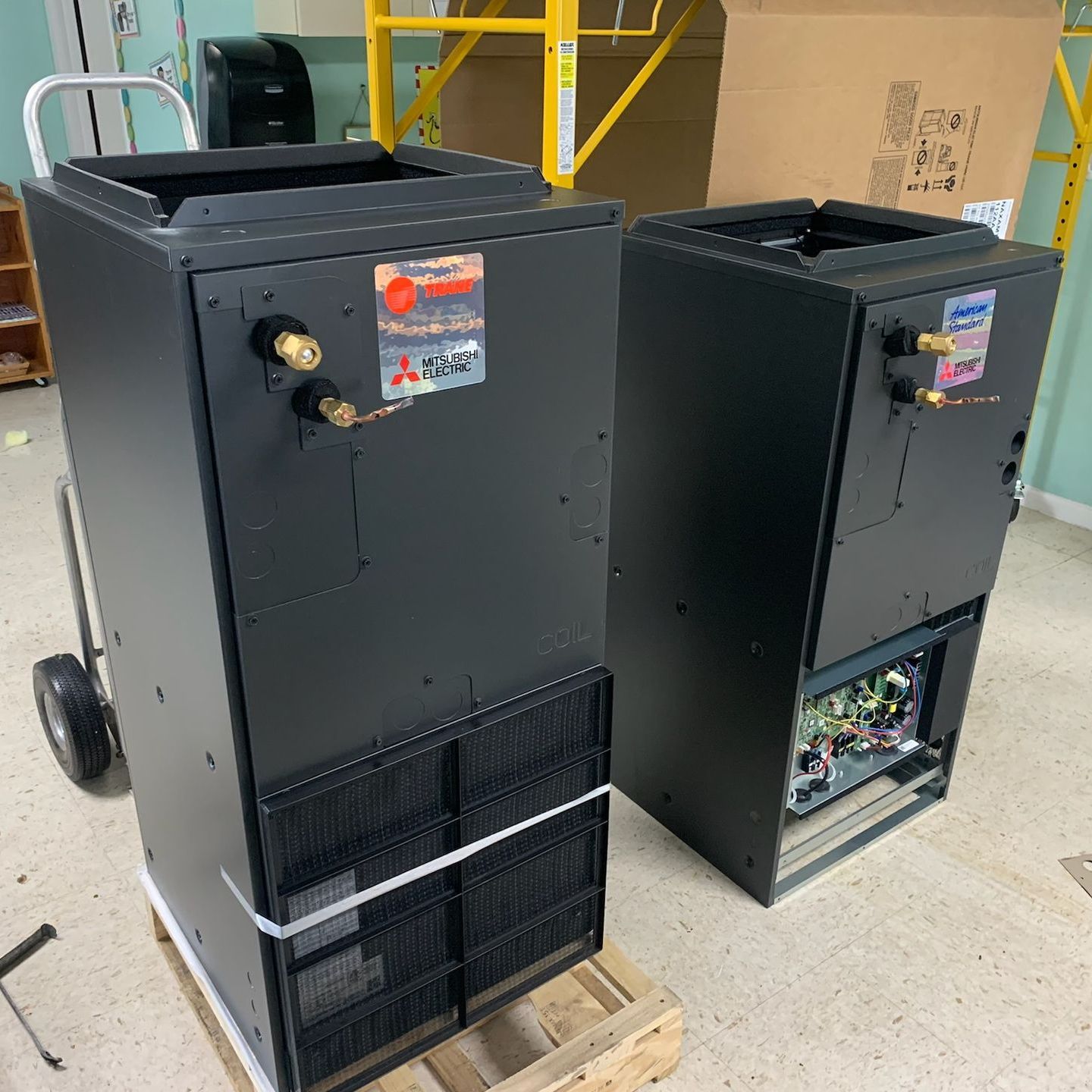
If your cooling bills are running noticeably higher than last summer without a significant change in usage habits, the AC itself may be losing efficiency. Common causes include low refrigerant from a slow leak, a dirty evaporator coil, a failing capacitor, or a blower motor that is not moving air at the right speed.
A system that runs longer to produce the same cooling costs more to operate and puts more wear on every component. Catching efficiency problems early almost always costs less than addressing them after something fails completely during the hottest stretch of the season.
Apex Heating and Cooling provides AC repair and service throughout Valparaiso , Portage , Chesterton , Hobart , and surrounding Northwest Indiana communities. If your system is running longer than it used to or your bills have climbed without explanation, call or text (219) 299-7134 to schedule a diagnostic visit.