
What to Expect During an AC Installation in Northwest Indiana

October 29, 2026

Replacing an air conditioning system is one of the larger home maintenance purchases most homeowners make. Knowing what to expect before, during, and after the installation makes the process significantly less stressful and helps you ask the right questions when you are comparing contractors. Here is a straightforward walkthrough of how the process works from the initial assessment through the day the new system starts running.

The In-Home Assessment

A proper AC installation starts with an in-home assessment, not a phone quote. The right system for your home depends on the square footage of conditioned space, the insulation levels, the number and orientation of windows, how much solar heat gain the home experiences, and the layout of the existing ductwork. These factors vary significantly from home to home, and the only way to account for them accurately is to assess the home directly.

During the assessment, the contractor will evaluate your existing equipment, inspect the ductwork for obvious leaks or sizing issues that could affect the new system's performance, and measure the home to calculate the correct system capacity. Installing a system that is too large is as problematic as installing one that is too small. An oversized system short cycles, meaning it runs briefly and shuts off before completing a full cooling cycle, which leaves humidity in the air and wears out equipment faster.

The assessment is also the right time to ask questions about equipment options, efficiency ratings, and what the installation will actually involve. A straightforward contractor will walk you through the differences between equipment tiers, explain the efficiency trade-offs in terms of operating cost, and give you a clear price before you agree to anything.

Choosing the Equipment

Central AC systems are rated for efficiency using a SEER2 rating. Higher SEER2 numbers mean lower operating costs but higher upfront equipment prices. The right choice depends on how long you plan to stay in the home, how many cooling hours your system accumulates each year, and what your utility rates are.

For most homeowners in Northwest Indiana who plan to stay in their home long-term, mid-to-high efficiency equipment tends to pay back the premium through lower utility bills over the system's lifespan. For homeowners who may be selling in a few years, a mid-range system at a lower upfront cost often makes more financial sense.

Major brands you are likely to encounter include Trane, Carrier, Lennox, Goodman, and Rheem. These are all manufactured by reputable companies, and the installation quality matters as much as the brand. A well-installed mid-range system will outperform a poorly installed premium system every time.

What Happens on Installation Day

A standard central AC installation typically takes four to six hours for a straightforward replacement of an existing system. Installations that involve new ductwork, electrical upgrades, or unusual equipment placement take longer.

The installation process generally follows this sequence: the old system is recovered and removed, the refrigerant in the existing system is recovered according to EPA requirements before removal, the new condenser unit is set outside on either an existing pad or a new one, the indoor coil is installed and connected to the air handler, refrigerant lines are run or reused if the existing lines are in good condition, electrical connections are made to the disconnect and thermostat, and the system is charged with refrigerant and tested to confirm it is cooling properly before the contractor leaves.

Before the contractor leaves, they should confirm the system is operating correctly, show you how to operate the thermostat if it was replaced, and leave you with the equipment documentation and warranty information.

After the Installation

New systems sometimes go through a brief break-in period where performance settles in over the first few days of operation. This is normal. If the system is not cooling adequately after a few days, or if you notice refrigerant lines icing over, unusual sounds, or water around the indoor unit, contact the installing contractor. These are not normal break-in issues and should be addressed promptly.

Keep your documentation. The equipment warranty requires registration within a specific window, usually 60 to 90 days, and requires that the system was installed by a licensed contractor. Keep copies of the installation invoice and equipment serial numbers in a place you can find them.

Filter maintenance on a new system is the same as an existing one. Set a reminder to check the filter 30 days after installation and establish your replacement schedule from there.

Apex Heating and Cooling provides AC installation throughout Valparaiso, Portage, Chesterton, Hobart, and surrounding Northwest Indiana communities. For a straightforward in-home assessment and honest equipment recommendation, call or text (219) 299-7134.

Red cardinal on a bare branch during an early snowfall in Northwest Indiana
October 29, 2026
Five furnace checks specific to Porter County and lakeshore homes, from vent pipe placement to propane regulators, that prevent the no-heat calls we see most once winter sets in.

Calculator beside papers labeled “PAID” and “DUE” on a white desk.
June 10, 2026
Running the AC all summer does not have to mean sky-high electric bills. Practical steps Northwest Indiana homeowners can take right now to stay cool without overpaying.
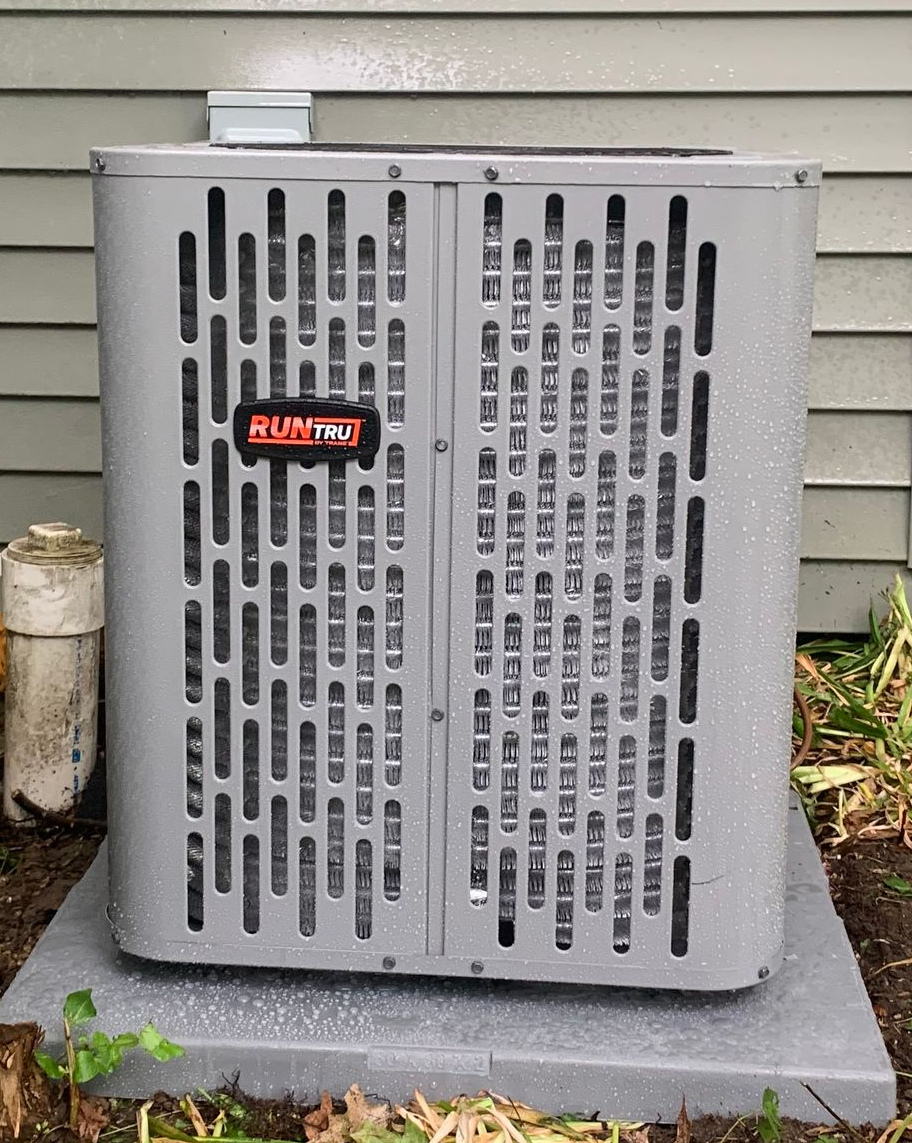
New Central Air Conditioning Unit
May 28, 2026
How long does a central AC system last in Northwest Indiana? What shortens its life, and when should you start planning for replacement? A practical guide for homeowners.
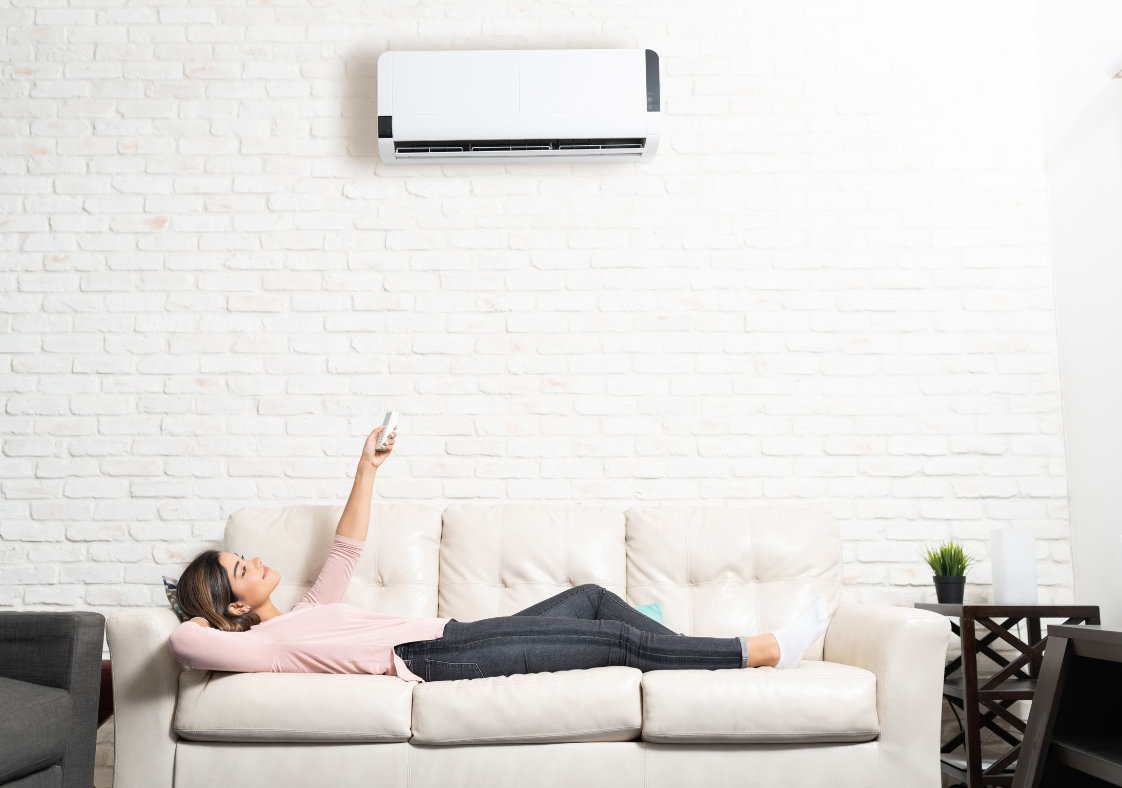
Person reclining on a sofa and pointing at a mini split unit
April 10, 2026
Central air or ductless mini-split? The right choice depends on your home, your ductwork, and what you are trying to accomplish. Here is how to think through the decision.
By • April 8, 2026
Facing an AC breakdown in Porter County? Learn exactly when to repair vs. replace your system so you can make a confident, cost-effective decision this summer.
Beach grass in the foreground under bright sunlight, with a blurry shoreline and ocean waves in the distance.
By • April 8, 2026
Before the first heat wave hits Porter County, here's what to check on your AC system. A few simple steps now can prevent a costly breakdown in July.
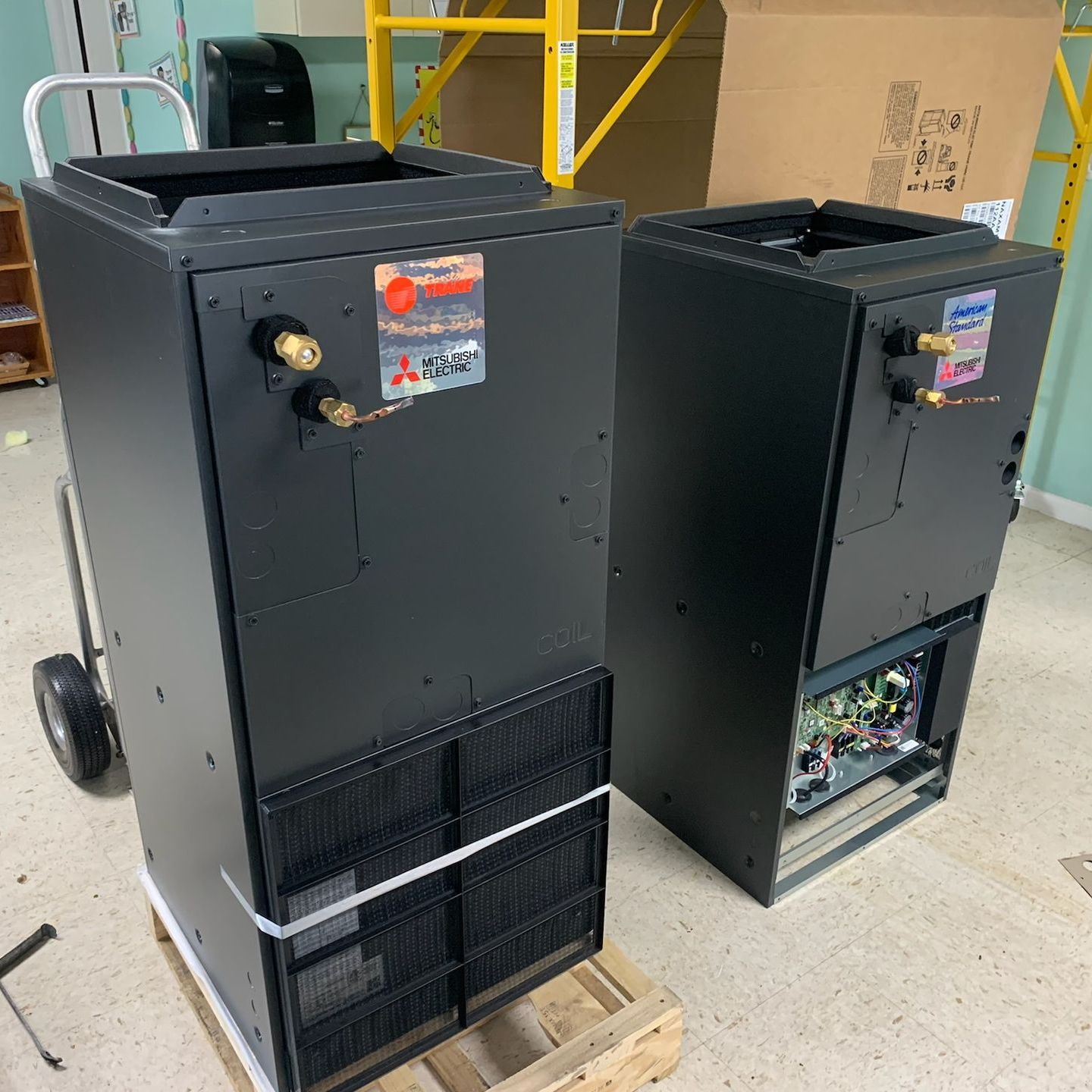
Two black HVAC units on a wooden pallet and on the floor in a room.
December 18, 2025
Decode furnace AFUE ratings and discover how much you could save with a high-efficiency system. Expert guidance from Apex Heating & Cooling for informed heating decisions in Porter County.

Red cardinal perched on a bare branch during a snowfall in Northwest Indiana
December 9, 2025
Prepare your furnace for brutal Northwest Indiana winters with this essential checklist. Expert guidance from Apex Heating & Cooling to keep your Porter County home warm and safe all season.
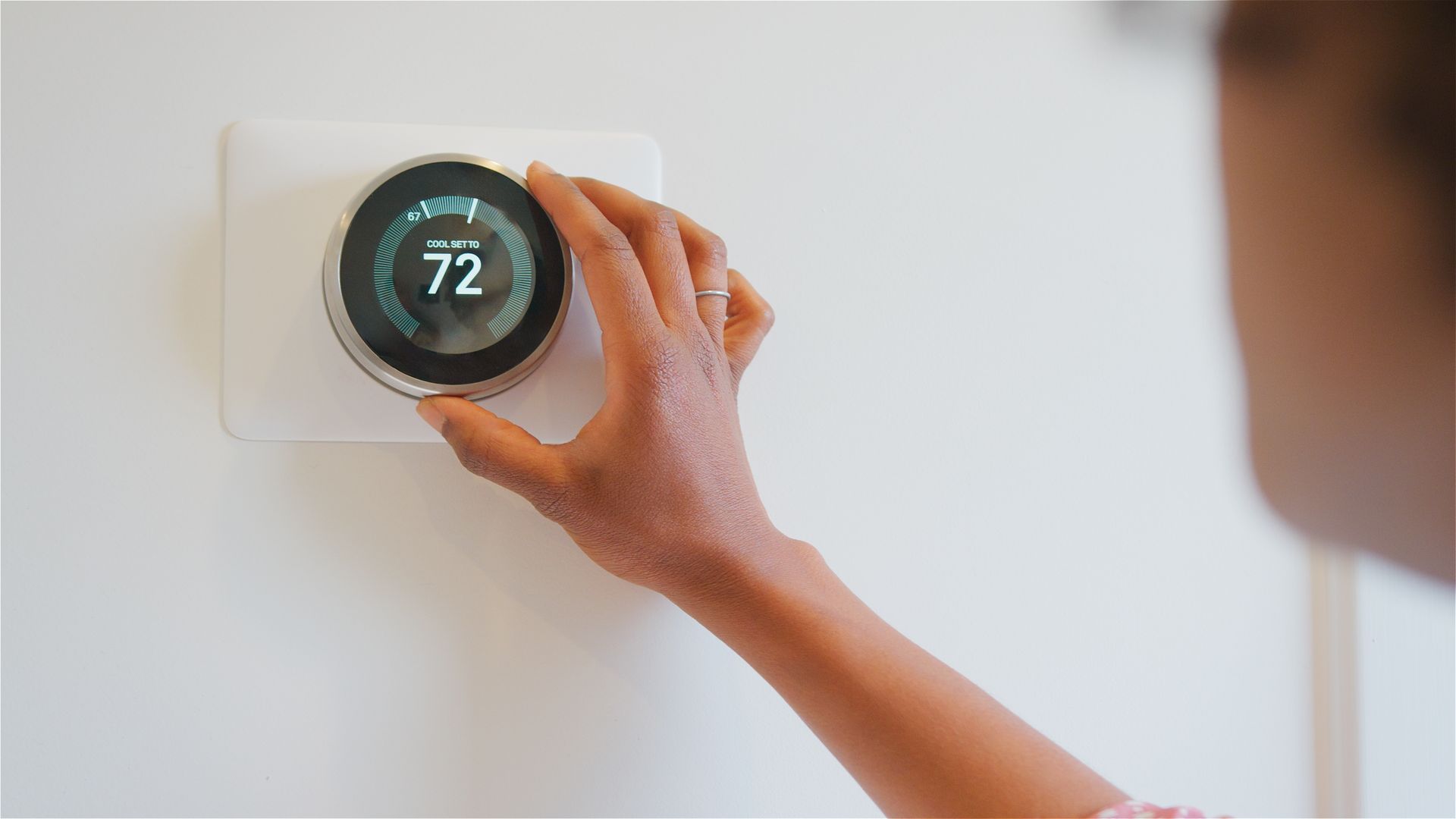
Person adjusting a smart thermostat set to 72 degrees.
December 8, 2025
Discover proven strategies to reduce your winter heating bills in Northwest Indiana. Expert tips from Apex Heating & Cooling to stay warm and save money this season.
HVAC unit in Northwest Imdoama
December 1, 2025
Don't ignore these critical furnace warning signs. Learn when to call for emergency heating repair in Porter County to keep your family safe and warm this winter.

Show More